The Best 90s Action Movies
The decade action got auteurs: 1990s action films ranked by our composite score across polls, registries and community canons.
Pulp Fiction (1994) leads with a composite score of 5.76.
Part of The Best Action Movies of All Time — the 1990s →
Masters of the genre
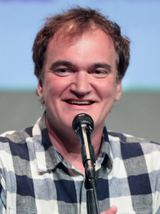
- Quentin Tarantino
2 films · Pulp Fiction
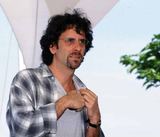
- Ethan Coen
2 films · Fargo
- Joel Coen
2 films · Fargo
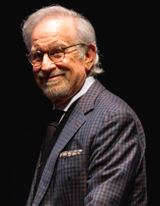
- Steven Spielberg
2 films · Saving Private Ryan
- Brian De Palma
4 films · Carlito's Way
- Takeshi Kitano
2 films · Sonatine



- 1Pulp Fiction1994 · Quentin Tarantino · United States · crime, drama, thriller5.76
Palme d'Or winner 1994 · Empire 500 (2008) #9 · Oscar Best Picture nominee 1994
- 2Fargo1996 · Joel Coen, Ethan Coen · United States / United Kingdom · crime, drama, film-noir3.02
Ebert's annual top 10 1996 #1 · Siskel's annual top 10 1996 #1 · Oscar Best Picture nominee 1996
- 3L.A. Confidential1997 · Curtis Hanson · United States · crime, film-noir, mystery2.82
Kinema Junpo Best Ten (International) 1998 #1 · Sarris's annual top 10 1997 #1 · Oscar Best Picture nominee 1997
- 4Saving Private Ryan1998 · Steven Spielberg · United States · war, drama, action2.66
Kinema Junpo Best Ten (International) 1998 #2 · Oscar Best Picture nominee 1998 · AFI 100 (2007) #71
- 5Miller's Crossing1990 · Ethan Coen, Joel Coen · United States · film-noir, crime, drama2.13
Cahiers du Cinéma annual top 10 1991 #2 · Kinema Junpo Best Ten (International) 1991 #3 · TIME All-TIME 100
- 6Princess Mononoke1997 · Hayao Miyazaki · Japan · fantasy, animation, action1.97
Japan Academy Prize winner 1998 · Kinema Junpo Best Ten (Japanese) 1997 #2 · Letterboxd Top 250 #72
- 7Braveheart1995 · Mel Gibson · United States · biography, drama, war1.68
Oscar Best Picture winner 1995 · Empire 500 (2008) #320
- 8The Matrix1999 · Lana Wachowski, Lilly Wachowski · United States / Australia · thriller, action, sci-fi1.41
Sight & Sound 2022 critics' poll #122 · Kinema Junpo Best Ten (International) 1999 #6 · Empire 500 (2008) #39
- 9Terminator 2: Judgment Day1991 · James Cameron · United States · action, thriller, sci-fi1.14
Kinema Junpo Best Ten (International) 1991 #8 · Empire 500 (2008) #35 · National Film Registry (inducted 2023)
- 10Sonatine1993 · Takeshi Kitano · Japan · crime, drama, action1.12
Kinema Junpo Best Ten (Japanese) 1993 #4 · Cahiers du Cinéma annual top 10 1995 #7 · Hoberman's annual top 10 1998 #4
- 11Reservoir Dogs1992 · Quentin Tarantino · United States · crime, thriller, drama1.11
Kinema Junpo Best Ten (International) 1993 #6 · Kehr's annual top 10 1992 #3 · Empire 500 (2008) #97
- 12Seven1995 · David Fincher · United States · crime, horror, mystery1.04
Kinema Junpo Best Ten (International) 1996 #6 · Letterboxd Top 250 #89 · Empire 500 (2008) #134
- 13Heat1995 · Michael Mann · United States · thriller, drama, crime1.01
Sight & Sound 2022 critics' poll #169 · Empire 500 (2008) #38 · Letterboxd Top 250 #151
- 14
- 15The Usual Suspects1995 · Bryan Singer · United States · crime, film-noir, mystery0.86
Kinema Junpo Best Ten (International) 1996 #7 · Empire 500 (2008) #61 · NYT Best 1,000 Movies
- 16The Fugitive1993 · Andrew Davis · United States · crime, action, thriller0.84
Oscar Best Picture nominee 1993 · Ebert's annual top 10 1993 #4 · Siskel's annual top 10 1993 #6
- 17Ghost Dog: The Way of the Samurai1999 · Jim Jarmusch · United States / Germany / France · crime, action, drama0.81
Cahiers du Cinéma annual top 10 1999 #9 · Film Comment year-end poll 2000 #17 · Criterion Collection spine #1057
- 18Carlito's Way1993 · Brian De Palma · United States · drama, crime, thriller0.80
Cahiers du Cinéma annual top 10 1994 #3 · Empire 500 (2008) #278 · Edgar Wright's 1,000 favorite movies
- 19Conspirators of Pleasure1996 · Jan Švankmajer · United Kingdom / Czech Republic / Switzerland · comedy, action, animation0.64
Hoberman's annual top 10 1997 #1 · Hoberman's annual top 10 1999 #null
- 20Existenz1999 · David Cronenberg · Canada / United Kingdom / France · horror, sci-fi, thriller0.62
Cahiers du Cinéma annual top 10 1999 #4 · Hoberman's annual top 10 1999 #5
- 21Speed1994 · Jan de Bont · United States · action, thriller, adventure0.62
Kinema Junpo Best Ten (International) 1994 #8 · Empire 500 (2008) #451 · Sarris's annual top 10 1994 #12
- 22Out of Sight1998 · Steven Soderbergh · United States · crime, comedy, romance0.61
Sarris's annual top 10 1998 #2 · Empire 500 (2008) #326 · Edgar Wright's 1,000 favorite movies
- 23Jurassic Park1993 · Steven Spielberg · United States · sci-fi, adventure, action0.53
National Film Registry (inducted 2018) · Empire 500 (2008) #232 · Edgar Wright's 1,000 favorite movies
- 24Boiling Point1990 · Takeshi Kitano · Japan · action, crime, drama0.53
Kinema Junpo Best Ten (Japanese) 1990 #7 · Hoberman's annual top 10 1995 #5
- 25Point Break1991 · Kathryn Bigelow · United States / Japan · crime, thriller, action0.47
Empire 500 (2008) #197 · Kehr's annual top 10 1991 #7 · Edgar Wright's 1,000 favorite movies
- 26Ashes of Time1994 · Wong Kar-wai · Hong Kong, China · action0.47
Film Comment year-end poll 2008 #28 · Sarris's annual top 10 1996 #9 · Rosenbaum's Essential Cinema
- 27White Hunter Black Heart1990 · Clint Eastwood · United States · action, drama0.43
Kehr's annual top 10 1990 #6 · Hoberman's annual top 10 1990 #10 · Rosenbaum's Essential Cinema
- 28Hard Boiled1992 · John Woo · Hong Kong, China · action, thriller, crime0.42
Criterion Collection spine #9 · Kehr's annual top 10 1993 #10 · Edgar Wright's 1,000 favorite movies
- 29Deep Cover1992 · Bill Duke · United States · film-noir, mystery, thriller0.38
Criterion Collection spine #1086 · Edgar Wright's 1,000 favorite movies · Rosenbaum's Essential Cinema
- 30Drunken Master II1994 · Lau Kar-leung · Hong Kong, China · action, comedy0.37
TIME All-TIME 100 · Edgar Wright's 1,000 favorite movies
- 31Three Kings1999 · David O. Russell · United States · crime, comedy, drama0.36
Ebert's annual top 10 1999 #3 · Edgar Wright's 1,000 favorite movies
- 32Bringing Out the Dead1999 · Martin Scorsese · United States · drama, horror, thriller0.35
Ebert's annual top 10 1999 #5 · Sarris's annual top 10 1999 #8
- 33El Mariachi1992 · Robert Rodriguez · Mexico / United States · action, thriller, crime0.34
National Film Registry (inducted 2011) · Edgar Wright's 1,000 favorite movies
- 34Natural Born Killers1994 · Oliver Stone · United States · crime, mystery, drama0.33
Empire 500 (2008) #364 · Ebert's annual top 10 1994 #8
- 35Menace II Society1993 · Allen Hughes, Albert Hughes · United States · crime, drama, action0.32
Criterion Collection spine #1105 · Ebert's annual top 10 1993 #8
- 36True Romance1993 · Tony Scott · France / United States · crime, action, drama0.32
Empire 500 (2008) #157 · Edgar Wright's 1,000 favorite movies
- 37Kamikaze Taxi1995 · Masato Harada · Japan · action, thriller0.32
Kinema Junpo Best Ten (Japanese) 1995 #8
- 38Mission: Impossible1996 · Brian De Palma · United States / United Kingdom / Czech Republic · crime, action, thriller0.32
Cahiers du Cinéma annual top 10 1996 #8
- 39The End of Evangelion1997 · Kazuya Tsurumaki, Hideaki Anno · Japan · sci-fi, action, animation0.31
Letterboxd Top 250 #27
- 40Romeo + Juliet1996 · Baz Luhrmann · United States / Mexico / Australia · romance, drama, action0.30
Empire 500 (2008) #226 · Edgar Wright's 1,000 favorite movies
- 41Léon: The Professional1994 · Luc Besson · France / United States · thriller, crime, drama0.30
Empire 500 (2008) #227 · Edgar Wright's 1,000 favorite movies
- 42
- 43Snake Eyes1998 · Brian De Palma · United States · crime, drama, mystery0.30
Cahiers du Cinéma annual top 10 1998 #9
- 44Grosse Pointe Blank1997 · George Armitage · United States · comedy, romance, thriller0.28
Empire 500 (2008) #439 · Edgar Wright's 1,000 favorite movies
- 45Raising Cain1992 · Brian De Palma · United States · thriller, horror, crime0.28
Hoberman's annual top 10 1992 #7 · Edgar Wright's 1,000 favorite movies
- 46Faust1994 · Jan Švankmajer · United Kingdom / France / Germany · fantasy, drama, mystery0.25
Hoberman's annual top 10 1994 #3
- 47
- 48Die Hard 21990 · Renny Harlin · United States · action, thriller, crime0.18
Siskel's annual top 10 1990 #6
- 49Batman Returns1992 · Tim Burton · United States · film-noir, action, fantasy0.17
Empire 500 (2008) #401
- 50Men in Black1997 · Barry Sonnenfeld · United States · action, sci-fi, comedy0.17
Empire 500 (2008) #409
- 51Star Wars: Episode I – The Phantom Menace1999 · George Lucas · United States · sci-fi, action, adventure0.17
Empire 500 (2008) #449
- 52
- 53
- 54Total Recall1990 · Paul Verhoeven · United States / Mexico · action, adventure, sci-fi0.17
NYT Best 1,000 Movies
- 55Wild Bill1995 · Walter Hill · United States · action, biography, western0.17
Kehr's annual top 10 1995 #7
- 56Once Upon a Time in China1991 · Tsui Hark · Hong Kong, China · action, biography0.16
Criterion Collection spine #1103
- 57
- 58
- 59The Game1997 · David Fincher · United States · film-noir, mystery, drama0.16
Criterion Collection spine #627
- 60Armageddon1998 · Michael Bay · United States · action, sci-fi, adventure0.16
Criterion Collection spine #40
- 61Strange Days1995 · Kathryn Bigelow · United States · sci-fi, thriller, action0.16
Kehr's annual top 10 1995 #8
- 62Under Siege1992 · Andrew Davis · United States · action, thriller, adventure0.14
Siskel's annual top 10 1992 #10
- 63The 13th Warrior1999 · Michael Crichton, John McTiernan · United States · action, thriller, fantasy0.14
Kehr's annual top 10 1999 #10
- 64Tremors1990 · Ron Underwood · United States · comedy, sci-fi, horror0.11
Edgar Wright's 1,000 favorite movies
- 65Riki-oh: The Story of Ricky1991 · Lam Nai-Choi · Hong Kong, China · action0.11
Edgar Wright's 1,000 favorite movies
- 66The Last Boy Scout1991 · Tony Scott · United States · crime, action, comedy0.11
Edgar Wright's 1,000 favorite movies
- 67Braindead1992 · Peter Jackson · New Zealand · horror, comedy, sci-fi0.11
Edgar Wright's 1,000 favorite movies
- 68Fist of Legend1994 · Gordon Chan · Hong Kong, China · action0.11
Edgar Wright's 1,000 favorite movies
- 69Desperado1995 · Robert Rodriguez · United States · action, thriller, crime0.11
Edgar Wright's 1,000 favorite movies
- 70Starship Troopers1997 · Paul Verhoeven · United States · action, thriller, sci-fi0.11
Edgar Wright's 1,000 favorite movies
- 71Wild Zero1999 · Tetsurō Takeuchi · Japan · horror, comedy, action0.11
Edgar Wright's 1,000 favorite movies








The decade action grew authors
Between the analog stunt spectacle of the eighties and the digital weightlessness of the 2000s sits a short golden age when action cinema had both tools and restraint. The pivot is Terminator 2: Judgment Day (1991), the most expensive film ever made at the time, whose liquid-metal T-1000 introduced mainstream audiences to computer-generated imagery — but sparingly: roughly five minutes of CGI in a film that otherwise runs on practical stunts, miniatures and Stan Winston animatronics. That discipline is why it holds up while most early-CGI films don't, and why the National Film Registry inducted it in 2023 as a landmark of the transition.
The decade's second pole is Heat (1995), Michael Mann's Los Angeles crime symphony — the first true De Niro/Pacino scenes, and a downtown shootout choreographed with such technical rigor (crews reportedly used its sound mix as a reference for gunfire) that it became the professional standard for the genre. Heat represents what the nineties uniquely allowed: a three-hour, character-driven adult drama that happens to contain action filmmaking of the highest order, greenlit at studio scale. That mid-budget adult lane is precisely what disappeared in the franchise era, which is part of why the film's community-canon standing keeps climbing.
1999: the exit
The decade closed by dissolving the genre's own rules. The Matrix (1999) fused Hong Kong wire work (choreographer Yuen Woo-ping, imported directly from the industry that had spent the decade perfecting action form), cyberpunk philosophy and the bullet-time rig into something that made every previous action grammar look instantly dated — and won four Oscars in the technical categories against Star Wars: Episode I, the symbolic changing of the guard. It entered the Registry in 2012. The nineties action canon is thus a three-act story about technology: CGI arriving under adult supervision (T2), the analog craft peak (Heat), and the digital-mythic synthesis that ended the analog era (The Matrix). Ranked by composite canonical weight, those are the three the institutions and communities agree on — the decade's louder franchises made more money and left less residue.