The Best Film Noir Movies
Shadows, fatalism and one composite score: the essential films noirs ranked across every major list that canonized them.
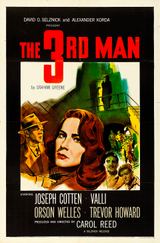
Film noir was never a genre its makers named — French critics coined the term in 1946 for the fatalistic American crime films the war had kept from them — but its recipe is unmistakable: hard shadows inherited from German Expressionism's émigré directors, a doomed man, and a city that has already decided against him. Billy Wilder's Double Indemnity and Fritz Lang's American films define the core; Huston's The Maltese Falcon opened the cycle, Welles's Touch of Evil closed it, and Carol Reed's The Third Man proved the style traveled.
The Third Man (1949) leads with a composite score of 6.08. Top 100 of 139 films in our library.
Masters of the genre
- Billy Wilder
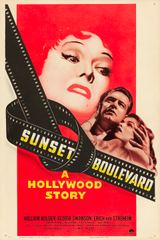
4 films · Sunset Boulevard
- Alfred Hitchcock
8 films · Psycho
- Carol Reed
4 films · The Third Man
- Michael Curtiz
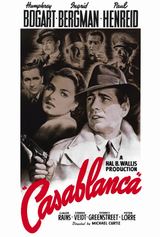
4 films · Casablanca
- Fritz Lang
9 films · M
- John Huston
2 films · The Maltese Falcon

- 1The Third Man1949 · Carol Reed · United Kingdom · film-noir, mystery, drama6.08
BFI Top 100 British films #1 · Palme d'Or winner 1949 · Cannes Grand Prix winner 1949
- 2Casablanca1942 · Michael Curtiz · United States · romance, war, drama5.29
Oscar Best Picture winner 1943 · AFI 100 (2007) #3 · AFI 100 (1998) #2
- 3Sunset Boulevard1950 · Billy Wilder · United States · drama, film-noir4.54
Kinema Junpo Best Ten (International) 1951 #2 · Sight & Sound 2022 directors' poll #62 · AFI 100 (2007) #16
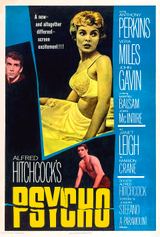
- 4Psycho1960 · Alfred Hitchcock · United States · thriller, horror, mystery4.01
Sight & Sound 2022 critics' poll #31 · Sight & Sound 2022 directors' poll #46 · AFI 100 (2007) #14
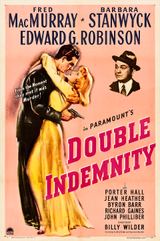
- 5Double Indemnity1944 · Billy Wilder · United States · crime, film-noir, drama3.11
Oscar Best Picture nominee 1944 · AFI 100 (2007) #29 · Sight & Sound 2022 critics' poll #196
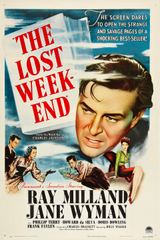
- 6The Lost Weekend1945 · Billy Wilder · United States · drama, film-noir2.82
Palme d'Or winner 1946 · Oscar Best Picture winner 1945 · Kinema Junpo Best Ten (International) 1948 #8
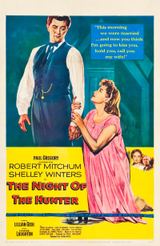
- 7The Night of the Hunter1955 · Charles Laughton · United States · film-noir, thriller, crime2.54
Sight & Sound 2022 critics' poll #25 · Sight & Sound 2022 directors' poll #41 · Empire 500 (2008) #71
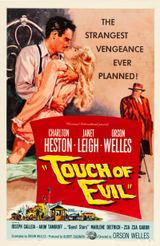
- 8Touch of Evil1958 · Orson Welles · United States · crime, drama, film-noir2.41
Cahiers du Cinéma annual top 10 1958 #1 · Sight & Sound 2022 critics' poll #108 · National Film Registry (inducted 1993)
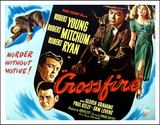
- 9Crossfire1947 · Edward Dmytryk · United States · film-noir, drama2.23
Palme d'Or winner 1947 · Oscar Best Picture nominee 1947 · NYT Best 1,000 Movies
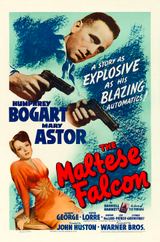
- 10The Maltese Falcon1941 · John Huston · United States · crime, mystery, film-noir2.11
Oscar Best Picture nominee 1941 · AFI 100 (2007) #31 · AFI 100 (1998) #23
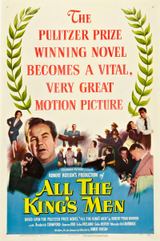
- 11All the King's Men1950 · Robert Rossen · United States · drama, film-noir1.89
Oscar Best Picture winner 1949 · National Film Registry (inducted 2001) · NYT Best 1,000 Movies
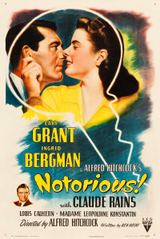
- 12Notorious1946 · Alfred Hitchcock · United States · thriller, film-noir, drama1.81
Sight & Sound 2022 critics' poll #133 · TIME All-TIME 100 · National Film Registry (inducted 2006)
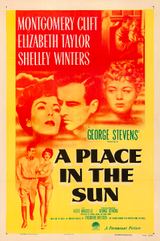
- 13A Place in the Sun1951 · George Stevens · United States · drama, film-noir, romance1.66
Oscar Best Picture nominee 1951 · Kinema Junpo Best Ten (International) 1952 #10 · AFI 100 (1998) #92
- 14M1931 · Fritz Lang · Germany / Weimar Republic · thriller, film-noir, drama1.66
Sight & Sound 2022 critics' poll #36 · Letterboxd Top 250 #175 · Empire 500 (2008) #212
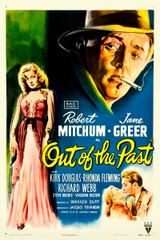
- 15Out of the Past1947 · Jacques Tourneur · United States · film-noir, crime, drama1.42
Sight & Sound 2022 critics' poll #157 · TIME All-TIME 100 · National Film Registry (inducted 1991)
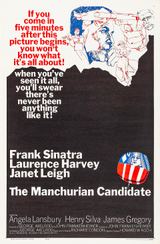
- 16The Manchurian Candidate1962 · John Frankenheimer · United States · film-noir, thriller, drama1.42
TIME All-TIME 100 · AFI 100 (1998) #67 · National Film Registry (inducted 1994)
- 17The Matrix1999 · Lana Wachowski, Lilly Wachowski · United States / Australia · thriller, action, sci-fi1.41
Sight & Sound 2022 critics' poll #122 · Kinema Junpo Best Ten (International) 1999 #6 · Empire 500 (2008) #39
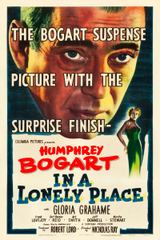
- 18In a Lonely Place1950 · Nicholas Ray · United States · drama, romance, film-noir1.39
Sight & Sound 2022 critics' poll #211 · TIME All-TIME 100 · National Film Registry (inducted 2007)
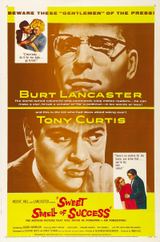
- 19Sweet Smell of Success1957 · Alexander Mackendrick · United States · drama, film-noir1.35
TIME All-TIME 100 · National Film Registry (inducted 1993) · Empire 500 (2008) #314
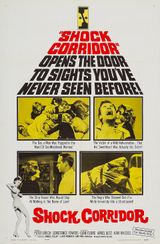
- 20Shock Corridor1963 · Samuel Fuller · United States · film-noir, drama1.28
Cahiers du Cinéma annual top 10 1965 #7 · National Film Registry (inducted 1996) · NYT Best 1,000 Movies
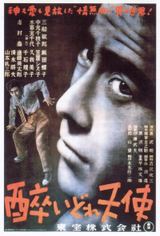
- 21Drunken Angel1948 · Akira Kurosawa · Japan · drama, film-noir1.16
Kinema Junpo Best Ten (Japanese) 1948 #1 · Criterion Collection spine #413
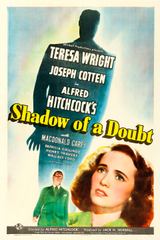
- 22Shadow of a Doubt1943 · Alfred Hitchcock · United States · thriller, film-noir, drama1.14
Kinema Junpo Best Ten (International) 1946 #3 · National Film Registry (inducted 1991) · NYT Best 1,000 Movies
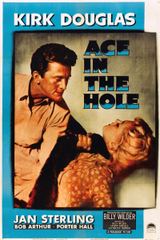
- 23Ace in the Hole1951 · Billy Wilder · United States · drama, film-noir1.12
National Film Registry (inducted 2017) · Letterboxd Top 250 #191 · Empire 500 (2008) #385
- 24Odd Man Out1947 · Carol Reed · United Kingdom · drama, film-noir0.94
Kinema Junpo Best Ten (International) 1951 #5 · NYT Best 1,000 Movies · Criterion Collection spine #754
- 25Grisbi1954 · Jacques Becker · France / Italy · crime, film-noir, drama0.92
Cahiers du Cinéma annual top 10 1954 #2 · Criterion Collection spine #271 · Roger Ebert's Great Movies
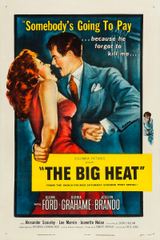
- 26The Big Heat1953 · Fritz Lang · United States · film-noir, drama, mystery0.91
National Film Registry (inducted 2011) · NYT Best 1,000 Movies · Criterion Collection spine #1269
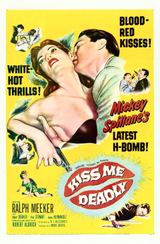
- 27Kiss Me Deadly1955 · Robert Aldrich · United States · crime, film-noir, sci-fi0.90
Cahiers du Cinéma annual top 10 1955 #10 · National Film Registry (inducted 1999) · Criterion Collection spine #568
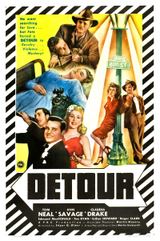
- 28Detour1945 · Edgar G. Ulmer · United States · crime, drama, film-noir0.89
TIME All-TIME 100 · National Film Registry (inducted 1992) · Criterion Collection spine #966
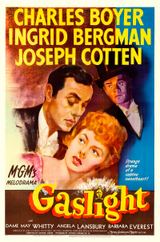
- 29Gaslight1944 · George Cukor · United States · thriller, crime, film-noir0.84
Oscar Best Picture nominee 1944 · National Film Registry (inducted 2019) · NYT Best 1,000 Movies
- 30Get Carter1971 · Mike Hodges · United Kingdom · film-noir, crime0.84
BFI Top 100 British films #16 · Empire 500 (2008) #225 · NYT Best 1,000 Movies
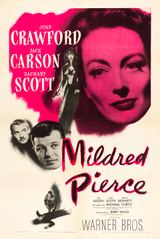
- 31Mildred Pierce1945 · Michael Curtiz · United States · drama, film-noir0.84
Oscar Best Picture nominee 1945 · National Film Registry (inducted 1996) · Criterion Collection spine #860
- 32Foreign Correspondent1940 · Alfred Hitchcock · United States · thriller, crime, film-noir0.83
Oscar Best Picture nominee 1940 · Criterion Collection spine #696 · Edgar Wright's 1,000 favorite movies
- 33Before the Devil Knows You're Dead2007 · Sidney Lumet · United States · crime, film-noir, drama0.83
Kinema Junpo Best Ten (International) 2008 #7 · Ebert's annual top 10 2007 #3 · Film Comment year-end poll 2007 #15
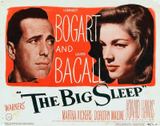
- 34The Big Sleep1946 · Howard Hawks · United States · crime, film-noir, drama0.81
National Film Registry (inducted 1997) · Kurosawa's 100 favorite films · NYT Best 1,000 Movies
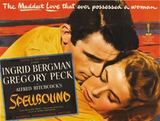
- 35Spellbound1945 · Alfred Hitchcock · United States · mystery, film-noir, drama0.78
Oscar Best Picture nominee 1945 · NYT Best 1,000 Movies · Criterion Collection spine #136
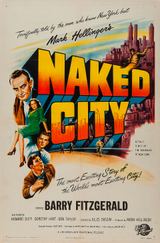
- 36The Naked City1948 · Jules Dassin · United States · crime, mystery, documentary0.77
Kinema Junpo Best Ten (International) 1949 #5 · National Film Registry (inducted 2007) · Criterion Collection spine #380
- 37The Bad Sleep Well1960 · Akira Kurosawa · Japan · drama, film-noir0.77
Kinema Junpo Best Ten (Japanese) 1960 #3 · Criterion Collection spine #319 · Edgar Wright's 1,000 favorite movies
- 38Rififi1955 · Jules Dassin · France · crime, film-noir, drama0.77
Letterboxd Top 250 #206 · NYT Best 1,000 Movies · Criterion Collection spine #115
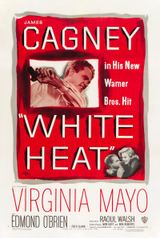
- 39White Heat1949 · Raoul Walsh · United States · crime, film-noir, mystery0.77
TIME All-TIME 100 · National Film Registry (inducted 2003) · NYT Best 1,000 Movies
- 40The Glass Wall1953 · Maxwell Shane · United States · film-noir, drama0.75
Locarno Golden Leopard winner 1953
- 41Killer's Kiss1955 · Stanley Kubrick · United States · film-noir, drama0.75
Locarno Golden Leopard winner 1959
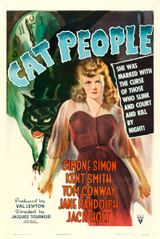
- 42Cat People1942 · Jacques Tourneur · United States · horror, fantasy, film-noir0.74
National Film Registry (inducted 1993) · Criterion Collection spine #833 · Roger Ebert's Great Movies
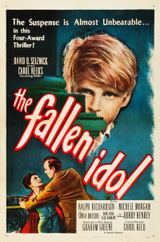
- 43The Fallen Idol1948 · Carol Reed · United Kingdom · drama, film-noir, mystery0.70
Kinema Junpo Best Ten (International) 1953 #4 · Criterion Collection spine #357 · Edgar Wright's 1,000 favorite movies
- 44You Only Live Once1937 · Fritz Lang · United States · drama, crime, film-noir0.69
Kinema Junpo Best Ten (International) 1937 #9 · NYT Best 1,000 Movies · Edgar Wright's 1,000 favorite movies
- 45Brighton Rock1947 · John Boulting · United Kingdom · drama, crime, film-noir0.68
BFI Top 100 British films #15 · Empire 500 (2008) #241 · Edgar Wright's 1,000 favorite movies
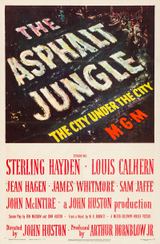
- 46The Asphalt Jungle1950 · John Huston · United States · crime, film-noir, drama0.67
National Film Registry (inducted 2008) · NYT Best 1,000 Movies · Criterion Collection spine #847
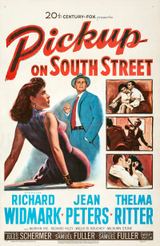
- 47Pickup on South Street1953 · Samuel Fuller · United States · crime, thriller, film-noir0.67
National Film Registry (inducted 2018) · NYT Best 1,000 Movies · Criterion Collection spine #224
- 48Stray Dog1949 · Akira Kurosawa · Japan · crime, film-noir, drama0.66
Kinema Junpo Best Ten (Japanese) 1949 #3 · Criterion Collection spine #233
- 49Gates of Paris1957 · René Clair · France / Italy · drama, film-noir0.66
Kinema Junpo Best Ten (International) 1957 #6 · BAFTA Best Film nominee 1958
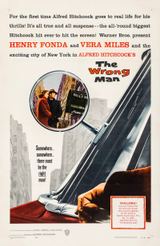
- 50The Wrong Man1956 · Alfred Hitchcock · United States · drama, film-noir, crime0.65
Cahiers du Cinéma annual top 10 1957 #4 · Edgar Wright's 1,000 favorite movies · Rosenbaum's Essential Cinema
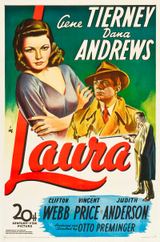
- 51Laura1944 · Otto Preminger · United States · crime, mystery, drama0.64
National Film Registry (inducted 1999) · NYT Best 1,000 Movies · Roger Ebert's Great Movies
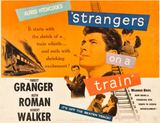
- 52Strangers on a Train1951 · Alfred Hitchcock · United States · film-noir, drama, thriller0.64
National Film Registry (inducted 2021) · NYT Best 1,000 Movies · Roger Ebert's Great Movies
- 53The Scoundrel1935 · Ben Hecht, Charles MacArthur · United States · drama, film-noir0.63
Kinema Junpo Best Ten (International) 1935 #6 · NYT Best 1,000 Movies · Rosenbaum's Essential Cinema
- 54The Bride Wore Black1968 · François Truffaut · France / Italy · drama, crime, mystery0.63
Cahiers du Cinéma annual top 10 1968 #10 · Sarris's annual top 10 1968 #6 · NYT Best 1,000 Movies
- 55The Big Lebowski1998 · Joel Coen, Ethan Coen · United States / United Kingdom · comedy, crime, film-noir0.63
Empire 500 (2008) #43 · National Film Registry (inducted 2014) · Roger Ebert's Great Movies
- 56Elevator to the Gallows1958 · Louis Malle · France · film-noir, drama0.63
Kinema Junpo Best Ten (International) 1958 #6 · Criterion Collection spine #335 · Edgar Wright's 1,000 favorite movies
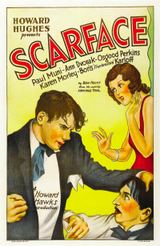
- 57Scarface1932 · Howard Hawks, Richard Rosson · United States · drama, crime, action0.61
National Film Registry (inducted 1994) · Criterion Collection spine #1239 · Edgar Wright's 1,000 favorite movies
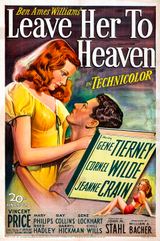
- 58Leave Her to Heaven1945 · John M. Stahl · United States · drama, film-noir0.56
National Film Registry (inducted 2018) · Empire 500 (2008) #346 · Criterion Collection spine #1020
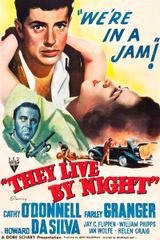
- 59They Live by Night1948 · Nicholas Ray · United States · crime, drama, film-noir0.55
NYT Best 1,000 Movies · Criterion Collection spine #880 · Edgar Wright's 1,000 favorite movies
- 60The Killing1956 · Stanley Kubrick · United States · crime, film-noir, drama0.52
Criterion Collection spine #575 · Roger Ebert's Great Movies · Edgar Wright's 1,000 favorite movies
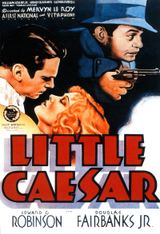
- 61Little Caesar1931 · Mervyn LeRoy · United States · crime, drama, film-noir0.50
National Film Registry (inducted 2000) · NYT Best 1,000 Movies · Edgar Wright's 1,000 favorite movies
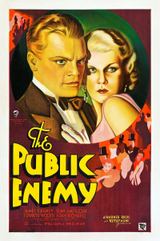
- 62The Public Enemy1931 · William A. Wellman · United States · drama, crime, film-noir0.50
National Film Registry (inducted 1998) · NYT Best 1,000 Movies · Edgar Wright's 1,000 favorite movies
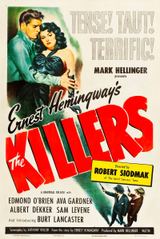
- 63The Killers1946 · Robert Siodmak · United States · crime, film-noir, drama0.50
National Film Registry (inducted 2008) · NYT Best 1,000 Movies · Edgar Wright's 1,000 favorite movies
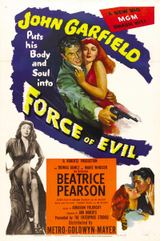
- 64Force of Evil1948 · Abraham Polonsky · United States · crime, drama, film-noir0.50
National Film Registry (inducted 1994) · NYT Best 1,000 Movies · Rosenbaum's Essential Cinema
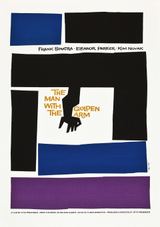
- 65The Man with the Golden Arm1955 · Otto Preminger · United States · drama, film-noir0.50
National Film Registry (inducted 2020) · NYT Best 1,000 Movies · Rosenbaum's Essential Cinema
- 66Detective Story1951 · William Wyler · United States · crime, drama, film-noir0.50
Kinema Junpo Best Ten (International) 1953 #3
- 67The Big Knife1955 · Robert Aldrich · United States · drama, film-noir0.50
Cahiers du Cinéma annual top 10 1955 #3
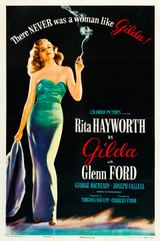
- 68Gilda1946 · Charles Vidor · United States · drama, film-noir, romance0.50
National Film Registry (inducted 2013) · Criterion Collection spine #795 · Rosenbaum's Essential Cinema
- 69Le Corbeau1943 · Henri-Georges Clouzot · France · film-noir0.46
Kinema Junpo Best Ten (International) 1950 #9 · Criterion Collection spine #227
- 70Bob le flambeur1956 · Jean-Pierre Melville · France / Italy · crime, film-noir, drama0.46
NYT Best 1,000 Movies · Criterion Collection spine #150 · Roger Ebert's Great Movies
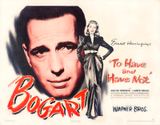
- 71To Have and Have Not1944 · Howard Hawks · United States · romance, drama, war0.45
Empire 500 (2008) #424 · NYT Best 1,000 Movies · Rosenbaum's Essential Cinema
- 72The Letter1940 · William Wyler · United States · drama, film-noir, crime0.45
Oscar Best Picture nominee 1940
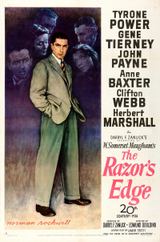
- 73The Razor's Edge1946 · Edmund Goulding · United States · drama, film-noir0.45
Oscar Best Picture nominee 1946
- 74Separate Tables1958 · Delbert Mann · United States · film-noir, drama, romance0.45
Oscar Best Picture nominee 1958
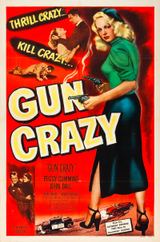
- 75Gun Crazy1950 · Joseph H. Lewis · United States · crime, film-noir, drama0.45
National Film Registry (inducted 1998) · Edgar Wright's 1,000 favorite movies · Rosenbaum's Essential Cinema
- 76Diabolique1954 · Henri-Georges Clouzot · France · film-noir, thriller, drama0.44
NYT Best 1,000 Movies · Criterion Collection spine #35 · Edgar Wright's 1,000 favorite movies
- 77La Bandera1935 · Julien Duvivier · France · drama, film-noir0.39
Kinema Junpo Best Ten (International) 1936 #5
- 78A Fugitive from the Past1965 · Tomu Uchida · Japan · crime, drama, film-noir0.39
Kinema Junpo Best Ten (Japanese) 1964 #5
- 79Angels with Dirty Faces1938 · Michael Curtiz · United States · drama, crime, thriller0.34
National Film Registry (inducted 2024) · Edgar Wright's 1,000 favorite movies
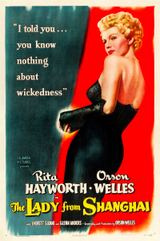
- 80The Lady from Shanghai1947 · Orson Welles · United States · drama, film-noir0.34
National Film Registry (inducted 2018) · Rosenbaum's Essential Cinema
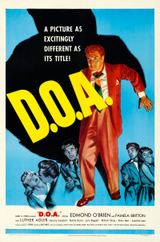
- 81D.O.A.1950 · Rudolph Maté · United States · film-noir, thriller, crime0.34
National Film Registry (inducted 2004) · Edgar Wright's 1,000 favorite movies
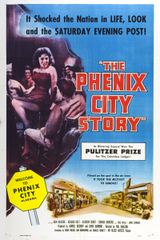
- 82The Phenix City Story1955 · Phil Karlson · United States · film-noir, crime, drama0.34
National Film Registry (inducted 2019) · Rosenbaum's Essential Cinema
- 83High Sierra1941 · Raoul Walsh · United States · crime, drama, film-noir0.33
NYT Best 1,000 Movies · Criterion Collection spine #1099
- 84Boomerang1947 · Elia Kazan · United States · drama, documentary, film-noir0.32
Kinema Junpo Best Ten (International) 1947 #8
- 85The Blue Gardenia1953 · Fritz Lang · United States · crime, film-noir, drama0.32
Cahiers du Cinéma annual top 10 1954 #8
- 86The Key1958 · Carol Reed · United Kingdom · drama, romance, film-noir0.32
Kinema Junpo Best Ten (International) 1958 #8
- 87Champion1949 · Mark Robson · United States · drama, film-noir, romance0.30
Kinema Junpo Best Ten (International) 1951 #9
- 88Beyond a Reasonable Doubt1956 · Fritz Lang · United States · drama, film-noir0.30
Cahiers du Cinéma annual top 10 1957 #9
- 89Pale Flower1964 · Masahiro Shinoda · Japan · drama, crime, film-noir0.29
Criterion Collection spine #564 · Roger Ebert's Great Movies
- 90The Man Who Knew Too Much1934 · Alfred Hitchcock · United Kingdom · thriller, mystery, drama0.27
Criterion Collection spine #643 · Edgar Wright's 1,000 favorite movies
- 91The Roaring Twenties1939 · Raoul Walsh · United States · crime, drama, film-noir0.27
Criterion Collection spine #1208 · Edgar Wright's 1,000 favorite movies
- 92Arsenic and Old Lace1944 · Frank Capra · United States · comedy, thriller, film-noir0.27
Criterion Collection spine #1153 · Edgar Wright's 1,000 favorite movies
- 93Nightmare Alley1947 · Edmund Goulding · United States · crime, drama, film-noir0.27
Criterion Collection spine #1078 · Edgar Wright's 1,000 favorite movies
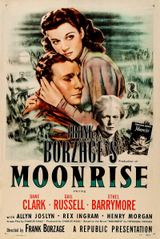
- 94Moonrise1948 · Frank Borzage · United States · drama, film-noir0.27
Criterion Collection spine #921 · Rosenbaum's Essential Cinema
- 95Thieves' Highway1949 · Jules Dassin · United States · crime, drama, film-noir0.27
Criterion Collection spine #273 · Rosenbaum's Essential Cinema
- 96The Breaking Point1950 · Michael Curtiz · United States · drama, crime, film-noir0.27
Criterion Collection spine #889 · Edgar Wright's 1,000 favorite movies
- 97Tokyo Drifter1966 · Seijun Suzuki · Japan · crime, film-noir, action0.27
Criterion Collection spine #39 · Edgar Wright's 1,000 favorite movies
- 98The Decay of Fiction2002 · Pat O'Neill · United States · film-noir0.25
Hoberman's annual top 10 2006 #3
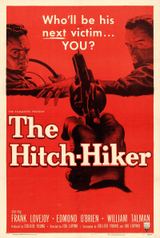
- 99The Hitch-Hiker1953 · Ida Lupino · United States · drama, crime, film-noir0.23
National Film Registry (inducted 1998)
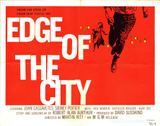
- 100Edge of the City1957 · Martin Ritt · United States · crime, drama, film-noir0.23
National Film Registry (inducted 2023)






A genre named in the rearview mirror
Film noir is unique among these pages: the people who made it didn't know they were making it. The term was coined by French critics in 1946 — Nino Frank, writing about a batch of wartime Hollywood thrillers that reached Paris all at once after the Occupation — and only became standard vocabulary decades later. What Hollywood thought it was producing were crime melodramas; what the French saw was a coherent dark style: German-expressionist lighting carried across the Atlantic by émigré directors and cinematographers, hard-boiled pulp fiction (Cain, Chandler, Hammett) supplying the fatalism, and wartime and postwar anxiety supplying the mood.
Double Indemnity (1944) is the form's perfect specimen and, for many historians, its true beginning: Billy Wilder directing, Raymond Chandler adapting James M. Cain, a murder plot narrated by a dead-man-walking into a dictaphone. Its seven Oscar nominations — and zero wins — established the genre's canonical pattern: noir was rarely rewarded in its own moment and almost always vindicated later, which is exactly the signature our composite score is built to catch. Wilder's Sunset Boulevard (1950) turned the noir apparatus on Hollywood itself, opening with a corpse narrating from a swimming pool; the Academy again flinched at the top prizes, and the polls have spent seventy years correcting that.
Exports and afterlives
The style traveled immediately. Carol Reed's The Third Man (1949) — Vienna's rubble, Orson Welles' late entrance, a zither score that became a global hit — is noir as European ruin-portrait, and the BFI has ranked it the greatest British film ever made. And when the classic cycle ended in the late 1950s, the genre simply changed tense: Chinatown (1974) is "neo-noir" only in the sense that its color cinematography is a technicality. Robert Towne's screenplay — routinely taught as the best ever written — relocates noir's fatalism from gangsters to municipal water politics, and its last line ("Forget it, Jake...") is the genre's worldview in five words.
Noir's canonical footprint keeps growing because its DNA propagates: neon-lit science fiction, Coen-brothers crime comedies, Korean revenge thrillers and prestige television all run on its circuitry. This page ranks the trunk of that family tree by accumulated canonical weight — the films every subsequent shadow traces back to.