The Best Italian Films of All Time
Neorealism, Fellini, the spaghetti Western — Italian cinema ranked by composite score across the international canon.
Bicycle Thieves (1948) leads with a composite score of 4.94. Top 100 of 214 films in our library.
- 1Bicycle Thieves1948 · Vittorio De Sica · Italy · drama4.94
BAFTA Best Film winner 1950 · Kinema Junpo Best Ten (International) 1950 #1 · Sight & Sound 2022 directors' poll #20
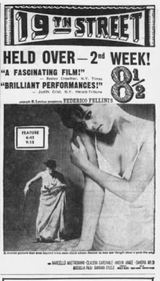
- 28½1963 · Federico Fellini · Italy / France · comedy, drama, fantasy4.58
Sight & Sound 2022 directors' poll #6 · Kinema Junpo Best Ten (International) 1965 #1 · Sight & Sound 2022 critics' poll #31
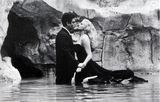
- 3La Dolce Vita1960 · Federico Fellini · France / Italy · comedy, drama4.24
Palme d'Or winner 1960 · Kinema Junpo Best Ten (International) 1960 #2 · Sight & Sound 2022 directors' poll #35
- 4L'Avventura1960 · Michelangelo Antonioni · France / Italy · drama3.35
Cahiers du Cinéma annual top 10 1960 #2 · Sight & Sound 2022 directors' poll #38 · Sight & Sound 2022 critics' poll #72
- 5The Tree of Wooden Clogs1978 · Ermanno Olmi · Italy · drama3.31
Palme d'Or winner 1978 · Kinema Junpo Best Ten (International) 1979 #2 · Empire 500 (2008) #108
- 6The Leopard1963 · Luchino Visconti · France / Italy · drama2.94
Palme d'Or winner 1963 · Sight & Sound 2022 critics' poll #90 · Vatican film list
- 7Red Desert1964 · Michelangelo Antonioni · France / Italy · drama, romance2.83
Venice Golden Lion winner 1964 · Sight & Sound 2022 critics' poll #169 · Cahiers du Cinéma annual top 10 1964 #6
- 8Rome, Open City1945 · Roberto Rossellini · Kingdom of Italy · drama2.82
Palme d'Or winner 1946 · Kinema Junpo Best Ten (International) 1950 #4 · Scorsese's 39 essential foreign films
- 9Life Is Beautiful1997 · Roberto Benigni · Italy · comedy, drama2.80
Cannes Grand Prix winner 1998 · TIFF People's Choice winner 1998 · Oscar Best Picture nominee 1998
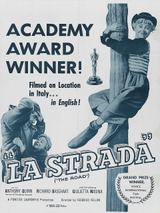
- 10La Strada1954 · Federico Fellini · Italy · drama2.74
Kinema Junpo Best Ten (International) 1957 #1 · Sight & Sound 2022 directors' poll #38 · Cahiers du Cinéma annual top 10 1955 #7
- 11La Notte1961 · Michelangelo Antonioni · France / Italy · drama2.65
Berlin Golden Bear winner 1961 · Sight & Sound 2022 directors' poll #52 · Cahiers du Cinéma annual top 10 1961 #7
- 12The Son's Room2001 · Nanni Moretti · Italy / France · drama2.59
Palme d'Or winner 2001 · Sarris's annual top 10 2002 #2 · Cahiers du Cinéma annual top 10 2001 #9
- 13Miracle in Milan1951 · Vittorio De Sica · Italy · fantasy, drama, comedy2.55
Palme d'Or winner 1951 · Cahiers du Cinéma annual top 10 1951 #3 · Kinema Junpo Best Ten (International) 1952 #5
- 14Amarcord1973 · Federico Fellini · France / Italy · comedy, drama2.45
Kinema Junpo Best Ten (International) 1974 #1 · Sight & Sound 2022 critics' poll #157 · Siskel's annual top 10 1974 #3
- 15Paisà1946 · Roberto Rossellini · Italy · drama, war2.17
Kinema Junpo Best Ten (International) 1949 #1 · Sight & Sound 2022 critics' poll #196 · Scorsese's 39 essential foreign films
- 16Padre Padrone1977 · Paolo Taviani, Vittorio Taviani · Italy · drama2.12
Palme d'Or winner 1977 · Kinema Junpo Best Ten (International) 1982 #10 · Kurosawa's 100 favorite films
- 17The Mattei Affair1972 · Francesco Rosi · Italy · drama2.03
Palme d'Or winner 1972 · Kinema Junpo Best Ten (International) 1974 #8 · Sarris's annual top 10 1973 #4
- 18General Della Rovere1959 · Roberto Rossellini · Italy / France · drama1.91
Venice Golden Lion winner 1959 · Kinema Junpo Best Ten (International) 1960 #4 · NYT Best 1,000 Movies
- 19Journey to Italy1954 · Roberto Rossellini · France / Italy · drama1.82
Cahiers du Cinéma annual top 10 1955 #1 · Sight & Sound 2022 critics' poll #72 · Kurosawa's 100 favorite films
- 20The Good, the Bad and the Ugly1966 · Sergio Leone · Italy / Spain / Germany · western, war, drama1.74
Sight & Sound 2022 critics' poll #169 · Letterboxd Top 250 #20 · Empire 500 (2008) #25
- 21Umberto D.1952 · Vittorio De Sica · Italy · drama1.70
Kinema Junpo Best Ten (International) 1962 #7 · TIME All-TIME 100 · Scorsese's 39 essential foreign films
- 22Il Grido1957 · Michelangelo Antonioni · Italy · drama1.68
Locarno Golden Leopard winner 1957 · Kinema Junpo Best Ten (International) 1959 #3 · Cahiers du Cinéma annual top 10 1958 #4
- 23Cinema Paradiso1988 · Giuseppe Tornatore · France / Italy · drama1.64
Cannes Grand Prix winner 1989 · Letterboxd Top 250 #16 · Kinema Junpo Best Ten (International) 1989 #7
- 24Sandra1965 · Luchino Visconti · Italy · drama1.63
Venice Golden Lion winner 1965 · Cahiers du Cinéma annual top 10 1965 #2
- 25Il Postino: The Postman1994 · Michael Radford · France / Belgium / Italy · romance, drama1.62
Kinema Junpo Best Ten (International) 1996 #1 · Oscar Best Picture nominee 1995 · NYT Best 1,000 Movies
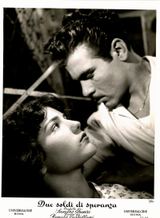
- 26Two Cents Worth of Hope1952 · Renato Castellani · Italy · drama, comedy, romance1.50
Palme d'Or winner 1952
- 27The Birds, the Bees and the Italians1966 · Pietro Germi · Italy / France · comedy1.50
Palme d'Or winner 1966
- 28
- 29Nights of Cabiria1957 · Federico Fellini · France / Italy · drama1.49
Cahiers du Cinéma annual top 10 1957 #3 · Kinema Junpo Best Ten (International) 1957 #7 · Letterboxd Top 250 #58
- 30The Gospel According to St. Matthew1964 · Pier Paolo Pasolini · Italy / France · drama1.49
Kinema Junpo Best Ten (International) 1966 #4 · Sight & Sound 2022 critics' poll #157 · Cahiers du Cinéma annual top 10 1965 #9
- 31Rocco and His Brothers1960 · Luchino Visconti · France / Italy · drama, crime1.47
Cahiers du Cinéma annual top 10 1961 #4 · Scorsese's 39 essential foreign films · Letterboxd Top 250 #129
- 32Family Diary1962 · Valerio Zurlini · Italy / France · drama1.36
Venice Golden Lion winner 1962 · Kinema Junpo Best Ten (International) 1964 #6
- 33The Garden of the Finzi-Continis1970 · Vittorio De Sica · Italy / West Germany / France · drama1.33
Berlin Golden Bear winner 1971 · NYT Best 1,000 Movies · Ebert's annual top 10 1972 #7
- 34Last Tango in Paris1972 · Bernardo Bertolucci · France / Italy · drama, romance1.33
Ebert's annual top 10 1973 #2 · Siskel's annual top 10 1973 #2 · Kinema Junpo Best Ten (International) 1973 #10
- 35Death in Venice1971 · Luchino Visconti · France / Italy / United States · drama1.33
Kinema Junpo Best Ten (International) 1971 #1 · NYT Best 1,000 Movies · Criterion Collection spine #962
- 36The House of Smiles1991 · Marco Ferreri · Italy · drama1.29
Berlin Golden Bear winner 1991 · Cahiers du Cinéma annual top 10 1992 #10
- 37Conversation Piece1974 · Luchino Visconti · Italy / France · drama1.18
Kinema Junpo Best Ten (International) 1978 #1 · Kurosawa's 100 favorite films
- 38The Conformist1970 · Bernardo Bertolucci · Italy / France / Germany · film-noir, drama1.17
Sight & Sound 2022 directors' poll #93 · Sight & Sound 2022 critics' poll #118 · NYT Best 1,000 Movies
- 39Eclipse1962 · Michelangelo Antonioni · France / Italy · drama1.16
Sight & Sound 2022 critics' poll #196 · Kinema Junpo Best Ten (International) 1962 #5 · Criterion Collection spine #278
- 40Hands Over the City1963 · Francesco Rosi · Italy / France · drama1.16
Venice Golden Lion winner 1963 · Criterion Collection spine #355
- 41The Canterbury Tales1972 · Pier Paolo Pasolini · France / Italy · fantasy, comedy1.16
Berlin Golden Bear winner 1972 · Criterion Collection spine #633
- 42Caro diario1993 · Nanni Moretti · Italy / France · drama, comedy1.14
Cahiers du Cinéma annual top 10 1994 #1 · Kehr's annual top 10 1994 #null
- 43Gomorrah2008 · Matteo Garrone · Italy · crime, drama, thriller1.14
Cannes Grand Prix winner 2008 · Film Comment year-end poll 2008 #20 · Criterion Collection spine #493
- 44The Railroad Man1956 · Pietro Germi · Italy · drama1.14
San Sebastián Golden Shell winner 1956 · Kinema Junpo Best Ten (International) 1958 #5
- 45Oedipus Rex1967 · Pier Paolo Pasolini · Italy · drama1.11
Kinema Junpo Best Ten (International) 1969 #1 · Rosenbaum's Essential Cinema
- 46Satyricon1969 · Federico Fellini · France / Italy · fantasy, drama, comedy1.10
Kinema Junpo Best Ten (International) 1970 #2 · NYT Best 1,000 Movies · Criterion Collection spine #747
- 47Roma1972 · Federico Fellini · France / Italy · comedy, drama1.05
Kinema Junpo Best Ten (International) 1972 #2 · Criterion Collection spine #848 · Ebert's annual top 10 1973 #9
- 48The Night of the Shooting Stars1982 · Paolo Taviani, Vittorio Taviani · Italy · drama1.04
Cannes Grand Prix winner 1982 · Kinema Junpo Best Ten (International) 1983 #10
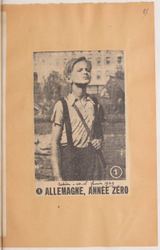
- 49Germany, Year Zero1948 · Roberto Rossellini · Italy / Germany / France · drama1.02
Locarno Golden Leopard winner 1948 · Criterion Collection spine #499 · Rosenbaum's Essential Cinema
- 50The Great War1959 · Mario Monicelli · France / Italy · comedy, drama1.00
Venice Golden Lion winner 1959
- 51
- 52Good Morning, Babylon1987 · Paolo Taviani, Vittorio Taviani · France / Italy · drama1.00
Kinema Junpo Best Ten (International) 1987 #1
- 53The Legend of the Holy Drinker1988 · Ermanno Olmi · France / Italy · drama1.00
Venice Golden Lion winner 1988
- 54Red Wood Pigeon1989 · Nanni Moretti · Italy / France · comedy, drama1.00
Cahiers du Cinéma annual top 10 1989 #1
- 55
- 56We Have a Pope2011 · Nanni Moretti · France / Italy · drama, comedy1.00
Cahiers du Cinéma annual top 10 2011 #1
- 57Caesar Must Die2012 · Vittorio Taviani, Paolo Taviani · Italy · documentary, drama1.00
Berlin Golden Bear winner 2012
- 58
- 59
- 60
- 61Before the Revolution1964 · Bernardo Bertolucci · Italy · drama0.97
Cahiers du Cinéma annual top 10 1968 #2 · Scorsese's 39 essential foreign films · Rosenbaum's Essential Cinema
- 62Mafioso1962 · Alberto Lattuada · Italy · drama, comedy0.91
San Sebastián Golden Shell winner 1963 · Criterion Collection spine #424
- 63Investigation of a Citizen Above Suspicion1970 · Elio Petri · Italy · drama, crime0.91
Cannes Grand Prix winner 1970 · Criterion Collection spine #682
- 64Arabian Nights1974 · Pier Paolo Pasolini · France / Italy · fantasy, adventure, drama0.91
Cannes Grand Prix winner 1974 · Criterion Collection spine #634
- 65White Nights1957 · Luchino Visconti · France / Italy · drama, romance0.83
Cahiers du Cinéma annual top 10 1958 #3 · Sarris's annual top 10 1961 #7 · Criterion Collection spine #296
- 6619001976 · Bernardo Bertolucci · Italy / France / Germany · drama, romance0.80
Kinema Junpo Best Ten (International) 1982 #2 · NYT Best 1,000 Movies
- 67Senso1954 · Luchino Visconti · Italy · romance, drama0.79
Cahiers du Cinéma annual top 10 1956 #5 · Criterion Collection spine #556 · Roger Ebert's Great Movies
- 68The Organizer1963 · Mario Monicelli · France / Italy · drama0.79
Kinema Junpo Best Ten (International) 1965 #2 · Criterion Collection spine #610
- 69The Night Porter1974 · Liliana Cavani · Italy / Austria · drama0.79
Kinema Junpo Best Ten (International) 1975 #2 · Criterion Collection spine #59
- 70Shoeshine1946 · Vittorio De Sica · Italy · crime, drama0.77
Kinema Junpo Best Ten (International) 1950 #7 · NYT Best 1,000 Movies · Criterion Collection spine #1272
- 71Intervista1987 · Federico Fellini · Italy · biography, drama0.77
Cahiers du Cinéma annual top 10 1987 #2 · Sarris's annual top 10 1992 #12
- 72Days of Love1954 · Giuseppe De Santis, Leopoldo Savona · Italy · drama, comedy0.75
San Sebastián Golden Shell winner 1955
- 73
- 74Il bell'Antonio1960 · Mauro Bolognini · France / Italy · drama0.75
Locarno Golden Leopard winner 1960
- 75
- 76
- 77
- 78
- 79They Have Changed Their Face1971 · Corrado Farina · Italy · horror0.75
Locarno Golden Leopard winner 1971
- 80Antonio Gramsci: The Days of Prison1977 · Lino Del Fra · Italy · biography, drama0.75
Locarno Golden Leopard winner 1977
- 81Bye Bye Monkey1978 · Marco Ferreri · France / Italy · comedy, sci-fi, drama0.75
Cannes Grand Prix winner 1978
- 82To Love the Damned1980 · Marco Tullio Giordana · Italy · drama0.75
Locarno Golden Leopard winner 1980
- 83Tales of Ordinary Madness1981 · Marco Ferreri · France / Italy · drama0.75
San Sebastián Golden Shell winner 1981
- 84Le Bal1983 · Ettore Scola · France / Italy / Algeria · musical, drama0.75
César Best Film winner 1984
- 85The Stolen Children1992 · Gianni Amelio · Italy / Switzerland / France · drama0.75
Cannes Grand Prix winner 1992
- 86Off to the Revolution by a 2CV2001 · Maurizio Sciarra · Italy · comedy0.75
Locarno Golden Leopard winner 2001
- 87
- 88
- 89The Wonders2014 · Alice Rohrwacher · Italy / Switzerland / Germany · drama0.75
Cannes Grand Prix winner 2014
- 90Il sorpasso1962 · Dino Risi · Italy · comedy0.69
Scorsese's 39 essential foreign films · Letterboxd Top 250 #214 · Criterion Collection spine #707
- 91Suspiria1977 · Dario Argento · Italy · horror, mystery, thriller0.68
Sight & Sound 2022 critics' poll #211 · Empire 500 (2008) #312 · Edgar Wright's 1,000 favorite movies
- 92Nostalghia1983 · Andrei Tarkovsky · Italy / Soviet Union · drama0.67
Kinema Junpo Best Ten (International) 1984 #8 · Letterboxd Top 250 #187 · Hoberman's annual top 10 1984 #8
- 93The Flowers of St. Francis1950 · Roberto Rossellini · Italy · drama0.67
Cahiers du Cinéma annual top 10 1951 #10 · Vatican film list · Criterion Collection spine #293
- 94Big Deal on Madonna Street1958 · Mario Monicelli · Italy · crime, drama, comedy0.67
Scorsese's 39 essential foreign films · NYT Best 1,000 Movies · Criterion Collection spine #113
- 95Il bidone1955 · Federico Fellini · Italy / France · drama, crime0.67
Cahiers du Cinéma annual top 10 1956 #7 · Kinema Junpo Best Ten (International) 1958 #7
- 96Divorce, Italian Style1961 · Pietro Germi · Italy · comedy0.66
Kinema Junpo Best Ten (International) 1963 #7 · NYT Best 1,000 Movies · Criterion Collection spine #286
- 97Europe '511952 · Roberto Rossellini · Italy · drama0.66
Sight & Sound 2022 critics' poll #225 · Criterion Collection spine #674 · Rosenbaum's Essential Cinema
- 98Tragedy of a Ridiculous Man1981 · Bernardo Bertolucci · Italy · drama, comedy0.65
Cahiers du Cinéma annual top 10 1981 #3 · Sarris's annual top 10 1982 #9
- 99Salò, or the 120 Days of Sodom1975 · Pier Paolo Pasolini · France / Italy · drama0.65
Sight & Sound 2022 directors' poll #72 · Criterion Collection spine #17
- 100Ludwig1973 · Luchino Visconti · France / Germany / Italy · biography, drama0.63
Kinema Junpo Best Ten (International) 1980 #2



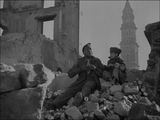















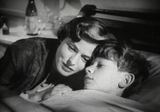
Neorealism: filming in the rubble
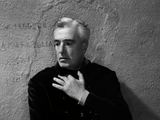
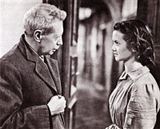
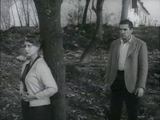
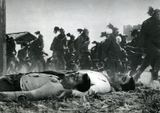
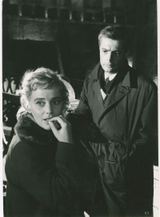
Modern art cinema was born in Rome in the mid-1940s, in the most literal sense: the city was barely liberated when Rossellini shot Rome, Open City in its streets, and the movement that followed — non-professional actors, real locations, stories of ordinary survival — was as much a production necessity as an aesthetic program (Cinecittà's stages had been bombed and were housing refugees). Vittorio De Sica's Bicycle Thieves (1948) became neorealism's canonical summit: a father, a son, a stolen bicycle, and an ending that refuses every consolation. Its measurement history is remarkable — it topped the very first Sight & Sound poll in 1952, took Kinema Junpo's international list in 1950, sits on the Vatican's film list, and carries Criterion spine #4 — a film canonized simultaneously by critics, foreign markets, the Church and collectors.
The generation that apprenticed inside neorealism then transcended it. Federico Fellini began as Rossellini's co-writer and ended as world cinema's ringmaster: La Dolce Vita (1960) won the Palme d'Or, scandalized the Vatican, added "paparazzo" to every language, and marks the exact hinge where neorealism's streets turn into the modernist circus; 8½ (1963) — a film about its own director's inability to make a film — became the most canonized movie about filmmaking ever made, a fixture near the top of both critics' and directors' polls.
The genre empire
Italy's other canonical engine was disreputable and world-conquering: genre cinema made for export. Sergio Leone shot Westerns in Spain with international casts and Morricone scores, and The Good, the Bad and the Ugly (1966) out-mythologized the American original so thoroughly that community canons now rank it above nearly every Hollywood Western. The same industrial base produced the giallo thrillers that seeded the slasher film, and the poliziotteschi that fed the crime genre. High and low never fully separated — Benigni's Life Is Beautiful (1997), Grand Prix at Cannes and a Best Picture nominee, is a music-hall comedian's film wearing art-cinema laurels. Ranked by composite score, the Italian canon shows both faces: the festival aristocracy and the export trade, each with institutional receipts.