Akira Kurosawa
Japanese filmmaker (1910–1998)
A director's score is the sum of their films' composite canon scores — methodology.
- Born
- March 23, 1910 · Ōi
- Died
- September 6, 1998 · Seijō
- Nationality
- Empire of Japan, Japan
- Work
- film director, film producer, screenwriter, film editor
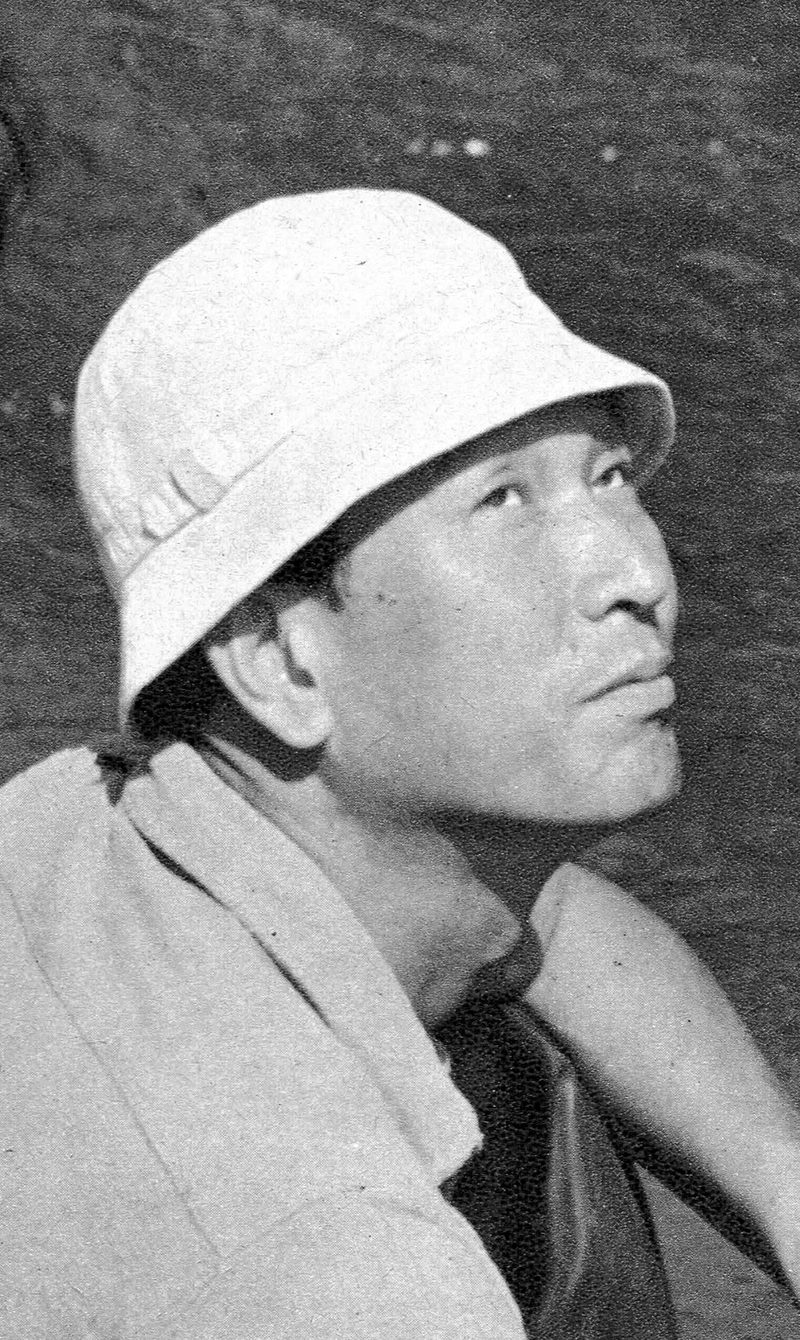
The man who moved the border
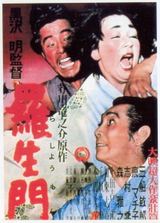
For most of the West, Japanese cinema begins with a single festival prize: Rashomon (1950) taking the Golden Lion at Venice in 1951, and an entire national film culture suddenly existing where, to foreign eyes, none had before. Kurosawa is the filmmaker who moved that border. His work, in Wikipedia's phrasing, drew openly on Western cinema while staying distinct from it — and the standard knock that follows, that this made him too legible to outsiders, the export model rather than the native article, has always struck me as backwards. He built a grammar of action, weather, and moral pressure so clear it could be translated into a Hollywood Western or a space opera without losing its spine. That legibility is the achievement, not the compromise.
Tokyo to Toho
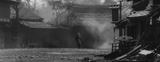
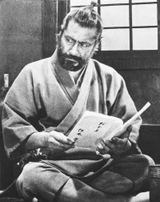
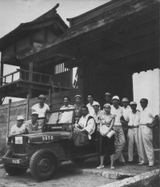
Born in Tokyo on March 23, 1910, he came to film sideways, having trained as a painter before joining the P.C.L. studio — later Toho — in February 1936 as an assistant director. His teacher there was Kajirō Yamamoto, under whom he served the long apprenticeship that shows in every frame: nobody who logged that many years as an A.D. mistakes a camera position for an accident. He directed his debut, Sanshiro Sugata, in 1943, and across a career spanning six decades made thirty feature films as director, writer, producer, and often editor — a hands-on control total enough that the films read as single-authored objects. The postwar run is the spine of world cinema: Ikiru (1952), Seven Samurai (1954), Yojimbo (1961), High and Low (1963). Sixteen of the films were made with Toshiro Mifune, the actor he cast and drove; Red Beard (1965) was their last together, and the partnership never resumed. The 1970s nearly ended him — the troubled stretch around Dodes'ka-den (1970), a 1971 suicide attempt — before Dersu Uzala (1975) won the Academy Award for Best Foreign Language Film and the late epics followed: Kagemusha (1980), Palme d'Or at Cannes, and Ran (1985). Hollywood gave him its Honorary Award in 1990.
What the numbers say
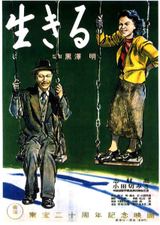
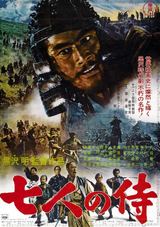
Our library ranks Kurosawa #4 among all directors, composite 35.26 across 26 films — well ahead of William Wyler at #10. But the internal order is the surprise. The top film is not Seven Samurai or Rashomon — it is Ikiru at #68 (3.78), the swordless bureaucratic tragedy, ahead of Seven Samurai at #82 (3.60), Rashomon at #110, Kagemusha at #128, and Ran down at #153 (3.00). This is the composite disagreeing openly with the canon: Seven Samurai placed 20th in the 2022 Sight & Sound critics' poll, yet in our aggregate it trails a film with no battles in it. Note too that Ran appears on 12 of our source lists — more than any Kurosawa film except Ikiru's 13 — while ranking below three stablemates cited less often. Breadth of mention and intensity of regard are different things, and the score keeps them apart.
Where to start
Seven Samurai for the architecture of action every later blockbuster borrowed; Ikiru for the opposite register, a dying bureaucrat and no swords at all; High and Low for the tightest thing he made. Save Ran for when you want the late style at full, ruinous scale.
Films in our library, ranked
Ranked by composite canon score across 20+ authoritative lists, awards and polls — our ordering, with every placement citing its evidence on the film's page.
- 1
1952 · Japan · drama
Kinema Junpo Best Ten (Japanese) 1952 #1 · Sight & Sound 2022 directors' poll #72 · Sight & Sound 2022 critics' poll #157
3.7813 citations - 2
1954 · Japan · drama, action, adventure
Sight & Sound 2022 directors' poll #14 · Sight & Sound 2022 critics' poll #20 · Letterboxd Top 250 #5
3.6010 citations - 3
1950 · Japan · drama, crime
Venice Golden Lion winner 1951 · Sight & Sound 2022 directors' poll #20 · Sight & Sound 2022 critics' poll #41
3.389 citations - 4
1980 · Japan · drama, war
Palme d'Or winner 1980 · Kinema Junpo Best Ten (Japanese) 1980 #2 · Ebert's annual top 10 1980 #3
3.238 citations - 5
1985 · Japan / France · war, drama
Kinema Junpo Best Ten (Japanese) 1985 #2 · Kehr's annual top 10 1985 #1 · Siskel's annual top 10 1985 #1
3.0012 citations - 6
1963 · Japan · drama, film-noir, crime
Kinema Junpo Best Ten (Japanese) 1963 #2 · Letterboxd Top 250 #6 · Scorsese's 39 essential foreign films
2.017 citations - 7
1961 · Japan · drama
Kinema Junpo Best Ten (Japanese) 1961 #2 · TIME All-TIME 100 · Empire 500 (2008) #95
1.908 citations - 8Red Beard赤ひげ
1965 · Japan · drama
Kinema Junpo Best Ten (Japanese) 1965 #1 · Letterboxd Top 250 #52 · Criterion Collection spine #159
1.564 citations - 9Throne of Blood蜘蛛巣城
1957 · Japan · drama
Sight & Sound 2022 directors' poll #93 · Kinema Junpo Best Ten (Japanese) 1957 #4 · Letterboxd Top 250 #201
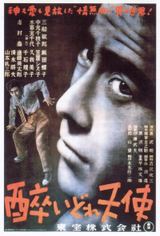
1.526 citations - 10Drunken Angel醉いどれ天使
1948 · Japan · drama, film-noir
Kinema Junpo Best Ten (Japanese) 1948 #1 · Criterion Collection spine #413
1.162 citations - 11Rhapsody in August八月の狂詩曲
1991 · Japan · drama
Kinema Junpo Best Ten (Japanese) 1991 #3 · Cahiers du Cinéma annual top 10 1991 #8 · Rosenbaum's Essential Cinema
0.933 citations - 12
1990 · Japan / United States · fantasy, drama, sci-fi
Kinema Junpo Best Ten (Japanese) 1990 #4 · Cahiers du Cinéma annual top 10 1990 #8 · Criterion Collection spine #842
0.913 citations - 13The Hidden Fortress隠し砦の三悪人
1958 · Japan · adventure, drama
Kinema Junpo Best Ten (Japanese) 1958 #2 · Criterion Collection spine #116 · Edgar Wright's 1,000 favorite movies
0.903 citations - 14Dodes'ka-denどですかでん
1970 · Japan · drama
Kinema Junpo Best Ten (Japanese) 1970 #3 · Siskel's annual top 10 1975 #7 · Criterion Collection spine #465
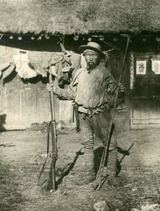
0.833 citations - 15Dersu UzalaДерсу Узала
1975 · Japan / Soviet Union · drama, adventure, biography
Kinema Junpo Best Ten (International) 1975 #5 · Vatican film list · Letterboxd Top 250 #161
0.813 citations - 16The Bad Sleep Well悪い奴ほどよく眠る
1960 · Japan · drama, film-noir
Kinema Junpo Best Ten (Japanese) 1960 #3 · Criterion Collection spine #319 · Edgar Wright's 1,000 favorite movies
0.773 citations - 17Sanjuro椿三十郎
1962 · Japan · war, drama
Kinema Junpo Best Ten (Japanese) 1962 #5 · NYT Best 1,000 Movies · Criterion Collection spine #53
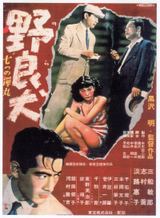
0.723 citations - 18Stray Dog野良犬
1949 · Japan · crime, film-noir, drama
Kinema Junpo Best Ten (Japanese) 1949 #3 · Criterion Collection spine #233
0.662 citations - 190.631 citation
- 200.631 citation
- 21Madadayoまあだだよ
1993 · Japan · drama, comedy
Kinema Junpo Best Ten (Japanese) 1993 #10 · Sarris's annual top 10 2000 #10 · Siskel's annual top 10 1998 #10
0.583 citations - 220.431 citation
- 230.361 citation
- 240.361 citation
- 250.331 citation
- 260.291 citation
Complete filmography
All 32 directorial credits recorded on Wikidata, in chronological order; films in our library link to their canon-score page.
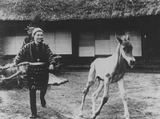
- 1940Horse
- 1943Sanshiro Sugata
- 1944The Most Beautiful
- 1945Sanshiro Sugata Part II
- 1945The Men Who Tread on the Tiger's Tail
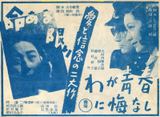
- 1946No Regrets for Our Youth
- 1946Those Who Make Tomorrow
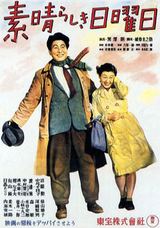
- 1947One Wonderful Sunday
- 1948Drunken Angel
- 1949Stray Dog
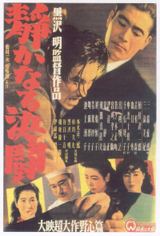
- 1949The Quiet Duel
- 1950Rashomon
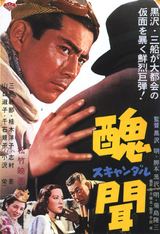
- 1950Scandal
- 1951The Idiot
- 1952Ikiru
- 1954Seven Samurai
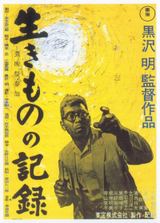
- 1955I Live in Fear
- 1957The Lower Depths
- 1957Throne of Blood
- 1958The Hidden Fortress
- 1960The Bad Sleep Well
- 1961Yojimbo
- 1962Sanjuro
- 1963High and Low
- 1965Red Beard
- 1970Dodes'ka-den
- 1975Dersu Uzala
- 1980Kagemusha
- 1985Ran
- 1990Dreams
- 1991Rhapsody in August
- 1993Madadayo