Indian Parallel Cinema: Essential Films
The art cinema that ran alongside Bollywood, 1955–1985: the essential Parallel Cinema films, ranked by our composite score across the world's canons.
Parallel Cinema was the serious, socially engaged art cinema that grew up alongside — and against — mainstream Bombay's song-and-dance entertainment, founded in Bengal with Satyajit Ray's Pather Panchali (1955). Shot on location with non-professional actors and a neorealist debt Ray acknowledged to De Sica, the Apu Trilogy followed one boy from a Bengali village to Calcutta and won at Cannes and Venice, making Ray the first Indian director the world canon absorbed. Ritwik Ghatak, his fierce contemporary, turned the trauma of Bengal's partition into a body of work (Meghe Dhaka Tara, Ajantrik) rediscovered only after his death. The movement's low budgets and government-fund backing were the point: an Indian cinema measured by the festival and the archive rather than the box office.
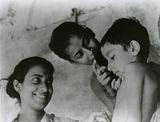
Pather Panchali (1955) leads with a composite score of 3.61.
- 1Pather Panchali1955 · Satyajit Ray · India · drama3.61
Kinema Junpo Best Ten (International) 1966 #1 · Sight & Sound 2022 directors' poll #22 · Sight & Sound 2022 critics' poll #35
- 2Aparajito1956 · Satyajit Ray · India · drama1.60
Venice Golden Lion winner 1957 · Letterboxd Top 250 #204 · Criterion Collection spine #784
- 3Distant Thunder1973 · Satyajit Ray · India · drama1.17
Berlin Golden Bear winner 1973 · NYT Best 1,000 Movies
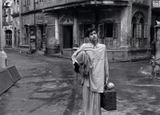
- 4Meghe Dhaka Tara1960 · Ritwik Ghatak · India · drama, musical1.07
Sight & Sound 2022 critics' poll #152 · Cahiers du Cinéma annual top 10 1990 #5 · Criterion Collection spine #993
- 5Jalsaghar1958 · Satyajit Ray · India · drama0.72
Cahiers du Cinéma annual top 10 1981 #8 · Criterion Collection spine #573 · Roger Ebert's Great Movies
- 6Apur Sansar1959 · Satyajit Ray · India · drama0.64
Letterboxd Top 250 #85 · Criterion Collection spine #785 · Roger Ebert's Great Movies
- 7Charulata1964 · Satyajit Ray · India · drama, romance0.57
Sight & Sound 2022 critics' poll #169 · Criterion Collection spine #669
- 8Days and Nights in the Forest1970 · Satyajit Ray · India · drama0.47
Cahiers du Cinéma annual top 10 1993 #6 · Rosenbaum's Essential Cinema
- 9The Home and the World1984 · Satyajit Ray · India · drama0.36
Cahiers du Cinéma annual top 10 1985 #6
- 10Devi1960 · Satyajit Ray · India · drama0.27
Criterion Collection spine #1102 · Rosenbaum's Essential Cinema
- 11
- 12
- 13Titash Ekti Nadir Naam1973 · Ritwik Ghatak · Bangladesh / India · drama0.16
Criterion Collection spine #687
- 14
The cinema that ran alongside Bollywood
Indian Parallel Cinema takes its name from the position it occupied: a serious, socially engaged art cinema running alongside — and against — the song-and-dance spectacle of mainstream Bombay. It began in Bengal in 1955, when a commercial artist with no filmmaking experience mortgaged his wife's jewelry to finish a film about a poor rural family. Satyajit Ray had met Jean Renoir during the shooting of The River and studied Bicycle Thieves in London, and Pather Panchali carries that neorealist debt openly: real villages, available light, non-professional actors, a story built from the small textures of poverty rather than plot. It won at Cannes, and Aparajito took the Golden Lion at Venice, completing the world's discovery of a national cinema it had never bothered to look at.
Ray, Ghatak and the Bengal School
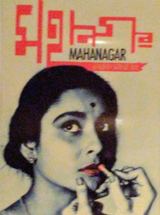
The movement's heart is the Apu Trilogy — Pather Panchali, Aparajito, Apur Sansar — following one boy from a Bengali village to Calcutta, but Ray's range ran far wider: the aristocratic decay of The Music Room, the Tagore adaptations Charulata and The Home and the World, the quiet feminism of Mahanagar, the historical irony of The Chess Players. Beside him worked Ritwik Ghatak, his fierce and formally radical contemporary, who turned the trauma of Bengal's partition into a body of work — Meghe Dhaka Tara, Ajantrik, Titash Ekti Nadir Naam — that was largely ignored in his lifetime and rediscovered only after his death in 1976. Where Ray was measured and humanist, Ghatak was operatic and grieving; between them they defined what serious Indian cinema could look like.
Measured by the archive, not the box office
Low budgets and state backing were not a limitation of Parallel Cinema but its premise. The Film Finance Corporation and the film society movement created a space where a film could be made for the festival and the archive rather than the box office, and where the subject could be a widow, a partition refugee or a dying feudal order instead of a wedding. The tradition it opened runs through Mrinal Sen, Adoor Gopalakrishnan and the regional new waves that followed. This list ranks its essential films by composite score across the world's polls, awards and canons — the work that made India, for the first time, a country the film canon had to include on its own artistic terms.