Fred Zinnemann
Austrian film director (1907-1997)
A director's score is the sum of their films' composite canon scores — methodology.
- Born
- April 29, 1907 · Vienna
- Died
- March 14, 1997 · London
- Nationality
- United States, Austria
- Directing career
- 34 directorial credits, 1930–1982 · first: People on Sunday (1930) · last: Five Days One Summer (1982)
- Work
- film producer, film director, photographer, director
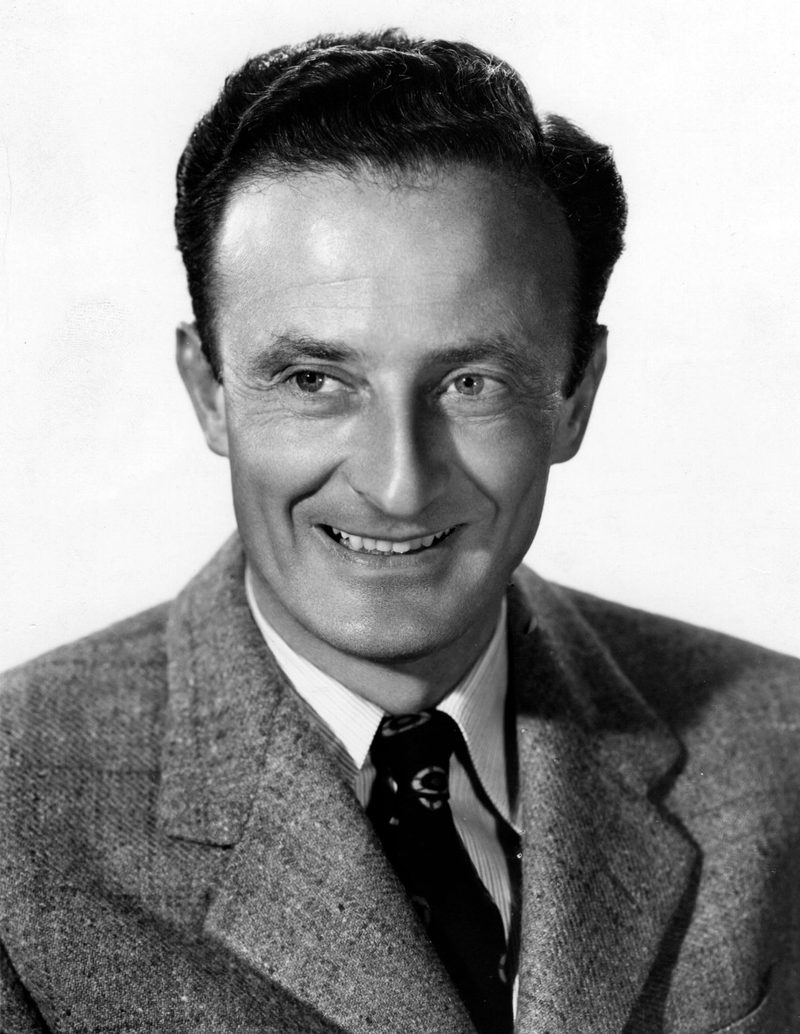
The conscience of the studio system
Zinnemann is the director auteurism struggled to file, and the difficulty is the point. He worked inside the American studio, took the assignments studios hand out — a western, a musical, a war picture, a thriller, a costume drama — and made each one a study of the same stubborn subject: a lone, principled person cornered by events and forced to choose. He won four Academy Awards across a fifty-year, twenty-five-feature career, two of them for shorts and two for the features that define him. That he had no camera signature you could name in a sentence has been held against him. To my eye it is the discipline of a man who thought the moral question mattered more than the flourish.
Vienna to Hollywood
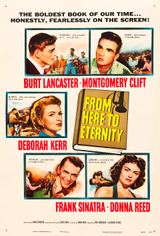
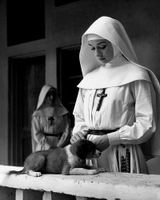
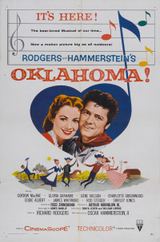
Born in 1907 in Austria-Hungary, he took a law degree at the University of Vienna before turning to cinema, studying it in Paris and then working as a cameraman in Germany. He was one of the young collaborators — alongside Billy Wilder and Robert Siodmak — on People on Sunday (1930), the semi-documentary that gave a generation of future émigrés their start. His own directorial debut, Redes (1936), was shot in Mexico with non-professional actors: social realism before he ever saw a soundstage. Arriving in New York in 1929 into the teeth of the crash, he served a long apprenticeship in shorts, winning an Academy Award for the documentary short Benjy (1951) before graduating to features. The Search (1948) announced him; then came the run — High Noon (1952), From Here to Eternity (1953), which drew thirteen nominations and won eight, Oklahoma! (1955), The Nun's Story (1959). A Man for All Seasons (1966) took Best Picture and his second directing Oscar. After MGM cancelled Man's Fate and sued him, a four-year legal battle ended with the comeback thriller The Day of the Jackal (1973) and Julia (1977); a savaged final film in 1982 sent him into retirement.
What the numbers say
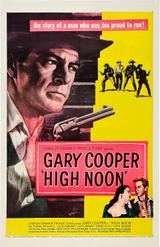
Our library ranks Zinnemann #45 among all directors, a composite 14.04 across fourteen films — and the internal order is a clean argument with popular memory. The top film is A Man for All Seasons at #94 (3.51), his most-cited work here, appearing on eight of our source lists, with From Here to Eternity second at #327 (2.15). Both are Academy champions, and the aggregate rewards them. High Noon — the film most people mean when they say "Zinnemann," the western every later standoff quotes — sits far down at #517 (1.67), even though six sources cite it, as many as The Day of the Jackal at #727 (1.38). The composite is telling you something real: Zinnemann's prestige pictures earned the votes, while his most influential film trades on a reputation the aggregate hasn't fully priced in.
Where to start
High Noon first, for the real-time ticking-clock thriller disguised as a western and the genre it reset. Then From Here to Eternity for the ensemble at full weight, and A Man for All Seasons for the quiet, immovable center of his whole career — one principled man refusing to bend.
Films in our library, ranked
Ranked by composite canon score across 20+ authoritative lists, awards and polls — our ordering, with every placement citing its evidence on the film's page.
- 1
1966 · United Kingdom · biography, drama
Oscar Best Picture winner 1966 · BAFTA Best Film winner 1968 · Kinema Junpo Best Ten (International) 1967 #4
3.518 citations - 2
1953 · United States · romance, war, drama
Oscar Best Picture winner 1953 · AFI 100 (1998) #52 · National Film Registry (inducted 2002)
2.154 citations - 3
1977 · United States / United Kingdom · drama, biography
BAFTA Best Film winner 1979 · Kinema Junpo Best Ten (International) 1978 #2 · Oscar Best Picture nominee 1977
2.083 citations - 4
1952 · United States · western
Oscar Best Picture nominee 1952 · AFI 100 (2007) #27 · AFI 100 (1998) #33
1.676 citations - 5
1973 · France / United Kingdom / United States · drama, thriller
Kinema Junpo Best Ten (International) 1973 #4 · BFI Top 100 British films #74 · Siskel's annual top 10 1973 #5
1.386 citations - 6
1959 · United States · drama, biography
San Sebastián Golden Shell winner 1959 · Oscar Best Picture nominee 1959 · NYT Best 1,000 Movies
1.373 citations - 7
1960 · United States / United Kingdom / Australia · adventure, drama
Oscar Best Picture nominee 1960
0.451 citation - 8
1955 · United States · musical
National Film Registry (inducted 2007) · NYT Best 1,000 Movies
0.392 citations - 9People on SundayMenschen am Sonntag
1930 · Germany · silent, drama
Criterion Collection spine #569 · Edgar Wright's 1,000 favorite movies
0.272 citations - 100.171 citation
- 110.171 citation
- 120.171 citation
- 130.161 citation
- 140.111 citation
Complete filmography
All 34 directorial credits recorded on Wikidata, in chronological order; films in our library link to their canon-score page.
- 1930People on Sunday
- 1931The Spy
- 1932The Wiser Sex
- 1936Redes
- 1938That Mothers Might Live
- 1939Help Wanted
- 1940The Great Meddler
- 1941Forbidden Passage
- 1942Eyes in the Night
- 1942Kid Glove Killer
- 1942The Lady or the Tiger?
- 1944The Seventh Cross
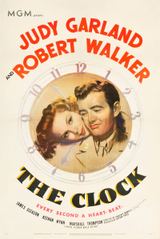
- 1945The Clock
- 1947Little Mister Jim
- 1947My Brother Talks to Horses
- 1948Act of Violence
- 1948The Search
- 1950The Men
- 1951Benjy
- 1951Teresa
- 1952High Noon
- 1952The Member of the Wedding
- 1953From Here to Eternity
- 1955Oklahoma!
- 1957A Hatful of Rain
- 1959The Nun's Story
- 1960The Sundowners
- 1964Behold a Pale Horse
- 1966A Man for All Seasons
- 1970Man's Fate
- 1973The Day of the Jackal
- 1977Julia
- 1982Five Days One Summer
- —The Ash Can Fleet